


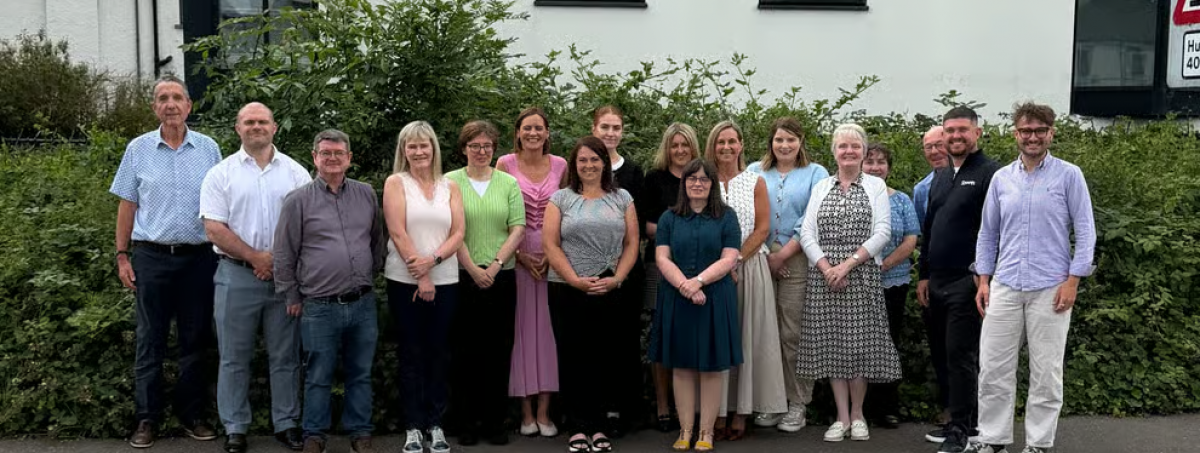
Streets Chartered Accountants has merged with Hunter Sinton & Co, an 80-year-old Banbridge accountancy practice, extending Streets' presence in Northern Ireland, a deal that matters broadly because it grows one of the UK's largest independent accounting networks without outside capital, and matters specifically to accountancy professionals because it shows a Top 40 firm consolidating through organic mergers rather than the private equity backing that has driven most sector roll-ups.
Streets Chartered Accountants is a Lincoln-headquartered, 119-year-old firm and one of the UK's Top 40 accountancy practices, now operating from more than 30 offices across the UK and Northern Ireland with over 400 staff and 60 partners, built through organic growth and mergers rather than private equity investment.
Hunter Sinton & Co is a Banbridge-based accountancy practice founded in 1946, with more than half its client base in agriculture, including farming and land-letting businesses, alongside retailers, pubs, hospitality businesses and local trades across the region.
Partner Eamonn Devlin said joining Streets would let the firm retain "the personal service and local relationships that our clients value" while gaining access to a broader range of specialist services.
That positioning sets Streets apart from most of the consolidation activity already reshaping UK accountancy. While rival platforms have scaled through private equity-backed buy-and-build strategies, Streets has built comparable Top 40 scale through partner-led mergers alone, completing more than five in six months during past growth phases without taking on external capital.
For independent practices weighing their own future, that gives owners a genuine second model to consider alongside PE-backed platforms: one trading higher upfront valuations for retained local autonomy, the other offering slower, partner-negotiated integration built around cultural fit.
Hunter Sinton's agriculture-heavy client base also brings specific relevance, given ongoing changes to agricultural property relief that are reshaping farm succession and land-letting tax planning across the UK and Northern Ireland.
For the sector, the deal is a reminder that consolidation is not a single model, and that organic, partner-led growth remains a credible alternative to private equity-backed roll-ups.
Source: Northern Ireland World / TheBusinessDesk.com













.png)