


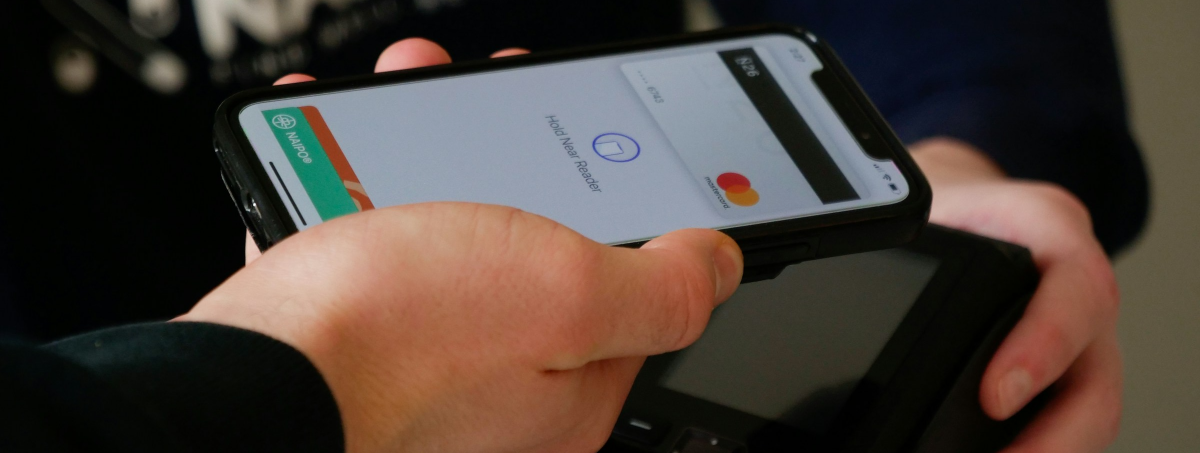
Ireland's payments landscape has shifted decisively. New research from Square, based on a survey of Irish adults and SMEs, finds just one in five now mainly use cash for in-store purchases, down from a cash share of 79% in 2016. For finance leaders, this is more than a retail story. It signals a shift toward cleaner, real-time transaction data that supports stronger financial reporting and bookkeeping across Irish businesses.
This shift deserves to be read as an opportunity for finance functions rather than a threat to cash-handling habits. Businesses that modernise their payment and reconciliation systems now stand to gain accuracy, efficiency and readiness for upcoming compliance change. The Square findings, set against Ireland's own tax digitalisation agenda, point to three priorities for business advisory practices: the pace of the cashless shift, the commercial risk of lagging behind, and the compliance opportunity this data richness creates.
The pace of change is striking. Today 37% of Irish consumers primarily pay by physical debit card and 34% use a mobile wallet, while 73% of under-25s say their phone has replaced their wallet. Fewer than half say they always carry cash where a business cannot take a card, meaning a cash-only policy increasingly means a lost sale rather than a fallback option.
The commercial risk is concentrated among younger customers. Nearly half of 18 to 24 year olds have experienced a payment refusal in-store within six months, the group most likely to walk away entirely. Notably, a perception gap exists: only 15% of businesses believed customers had asked for an unsupported payment method, yet 34% of consumers said they had tried to pay somewhere that could not accommodate them.
This digital shift aligns closely with Ireland's own compliance direction. Revenue has confirmed a phased VAT Modernisation rollout, requiring large corporates to adopt mandatory e-invoicing and real-time digital reporting from November 2028, extending to wider VAT-registered businesses a year later, in line with the EU's ViDA reforms. Cleaner digital payment trails, generated as cash usage declines, will ease this transition for finance sector teams and the audit professionals who support them.
Finance leaders can prepare on several fronts. Integrating point-of-sale systems with accounting software will reduce manual entry and reconciliation errors ahead of the e-invoicing rollout. Advisory firms should help SME clients balance full digital payment acceptance with retained, well-controlled cash handling for customers who still need it. Building this capability now positions businesses well ahead of Revenue's digital reporting timeline.
The direction of travel is encouraging for finance sector leaders. As cash continues its decline, Irish businesses that embrace richer digital payment data will find themselves better placed for accurate financial reporting, smoother audits and a smoother transition toward Ireland's digital tax future.
(The views expressed by the writer are his/her own and do not necessarily reflect the views or positions of BusinessRiver.)














.png)