

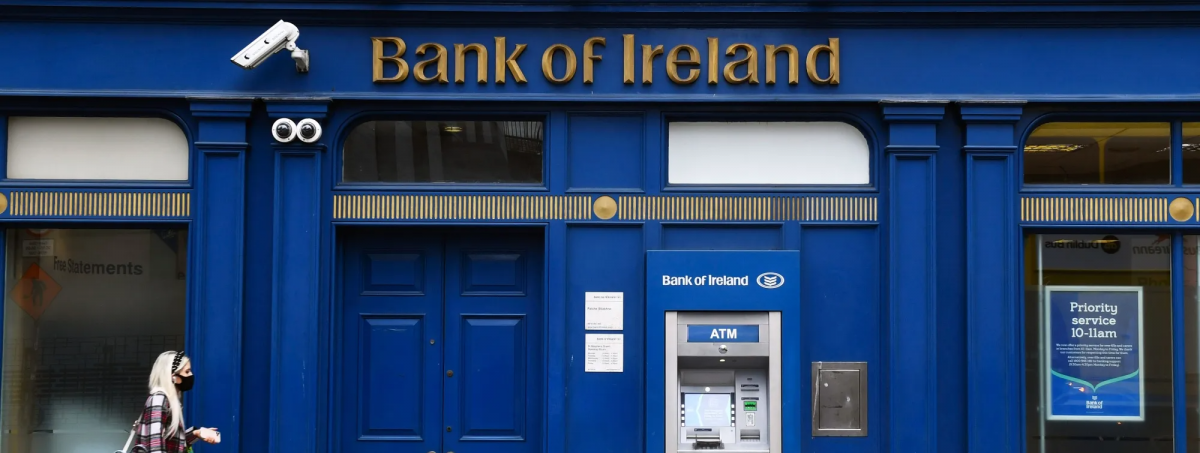
Bank of Ireland has reported a 33 per cent rise in first-half pre-tax profit to 960 million euros and upgraded its full-year 2026 guidance, results that matter to the accountancy sector because improving asset quality and a €1.5 billion transformation programme are actively reshaping the scope of work its statutory auditor, KPMG, must carry out. No new audit or advisory engagement was announced alongside the results.
Bank of Ireland is Ireland's largest listed bank, providing retail and corporate banking, insurance and wealth management services through its Davy and New Ireland divisions, with a market capitalisation of approximately 19.8 billion dollars. First-half 2026 profit before tax rose to 960 million euros, earnings per share rose 36 per cent, and return on tangible equity reached 14.4 per cent.
KPMG Ireland is the bank's statutory auditor, appointed in 2018 after a mandatory tender ended PwC's 27-year tenure, in line with EU rules requiring periodic rotation of auditors at public-interest entities. KPMG is one of Ireland's largest audit practices and counts several systemically important financial institutions among its clients.
The results carry a structural implication beyond the headline numbers: improving asset quality typically eases impairment testing for auditors, while a bank's growing scale and technology investment tend to widen the controls and systems work an audit team must cover.
Bank of Ireland's non-performing exposure ratio has fallen to multi-year lows and its cost of risk guidance has improved, pointing toward lighter impairment-related audit work ahead. Against that, the bank is two quarters into a 1.5 billion euro investment programme running to 2028, covering digital services and a lower cost base, which typically expands the systems and controls testing auditors must perform.
Timing matters too. KPMG's appointment took effect for the 2018 financial year under EU rules requiring periodic rotation of public-interest entity auditors, meaning the mandate will approach a fresh retender point later this decade, just as this growth cycle plays out.
For Ireland's accountancy market, banking audits remain among the highest-value mandates the Big Four compete for. Sustained strong performance at a systemically important lender keeps that mandate valuable now, and raises the stakes for whichever firm holds it when rotation rules next bring it to market.
Source: The Irish Times / GuruFocus / Investing.com / Accountancy Daily












.png)